
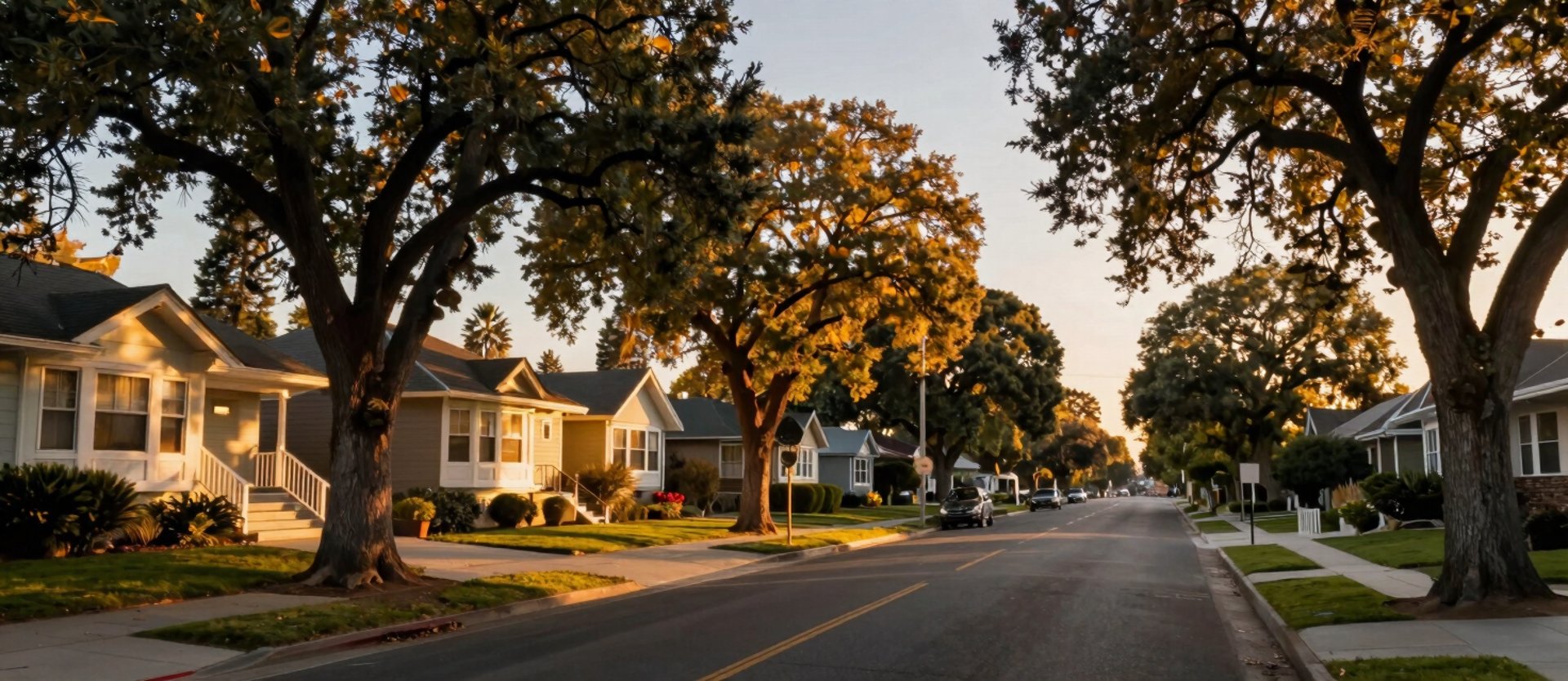
Sacramento Has Its Own Calculus.
Not the Bay Area, not a fallback — Sacramento is a distinct market with its own neighborhoods, cost structure, and growth momentum. Here's what you actually need to know before deciding.
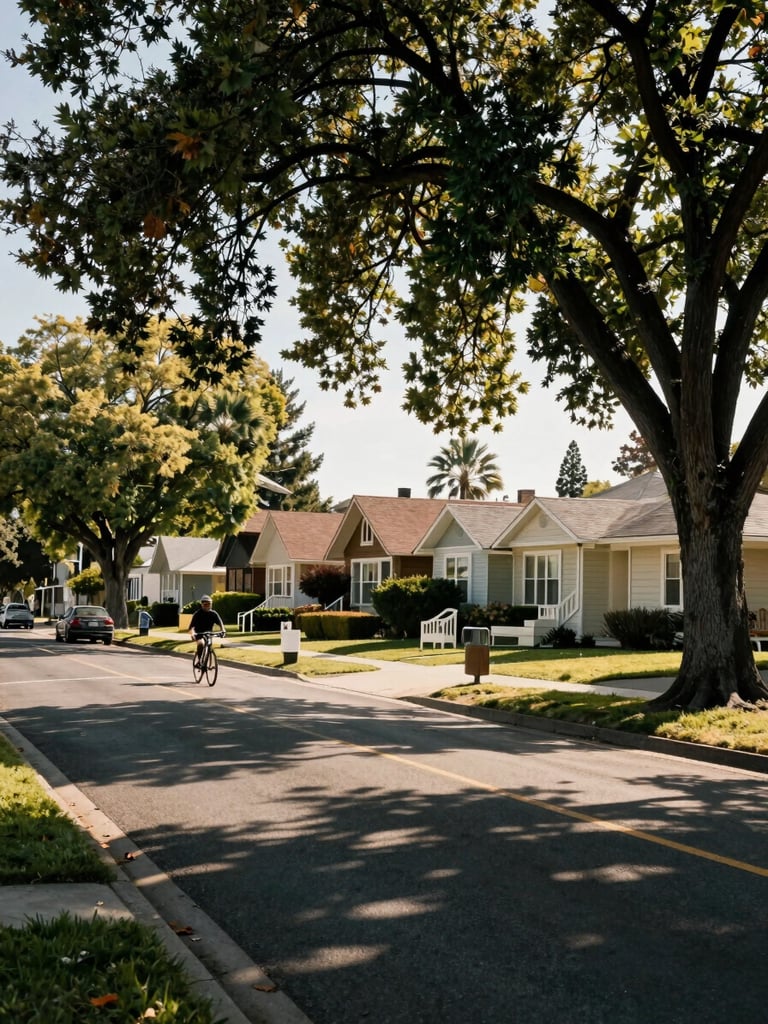
Same Zip Code. Different Day-to-Day.
Midtown & East Sacramento
Walkable grid streets, older craftsman stock, coffee shops and restaurants within reach. Higher price per square foot; smaller lots. Best fit for buyers who want urban character without San Francisco density.
Natomas
Newer tract homes, proximity to the airport, and a more suburban pace. Lower entry price with larger floor plans. Active new construction pipeline and a growing commercial corridor.
Elk Grove
Technically its own city but part of the Sacramento conversation. Strong school ratings, master-planned communities, and some of the most active builder activity in the region right now.
What the Numbers Actually Show
Sacramento's median home price runs well below the Bay Area while drawing on the same regional job base. That spread isn't closing fast — it's been a sustained structural difference, not a temporary dip.
~40–50% Less
New Builds Active Now
Commute-Viable to the Bay
Typical price gap versus comparable Bay Area submarkets. The spread persists because Sacramento is a separate market, not a satellite.
Greater Sacramento is one of California's most active new-construction corridors. Builder incentives and available inventory shift monthly — not seasonally.
Amtrak Capitol Corridor and I-80 connect Sacramento to East Bay job centers. Hybrid schedules have made the math work for more households than before.
Get Specific Answers About Sacramento
Neighborhood fit, school districts, builder availability, price ranges — bring your actual questions and we'll give you straight answers, not a sales pitch.